
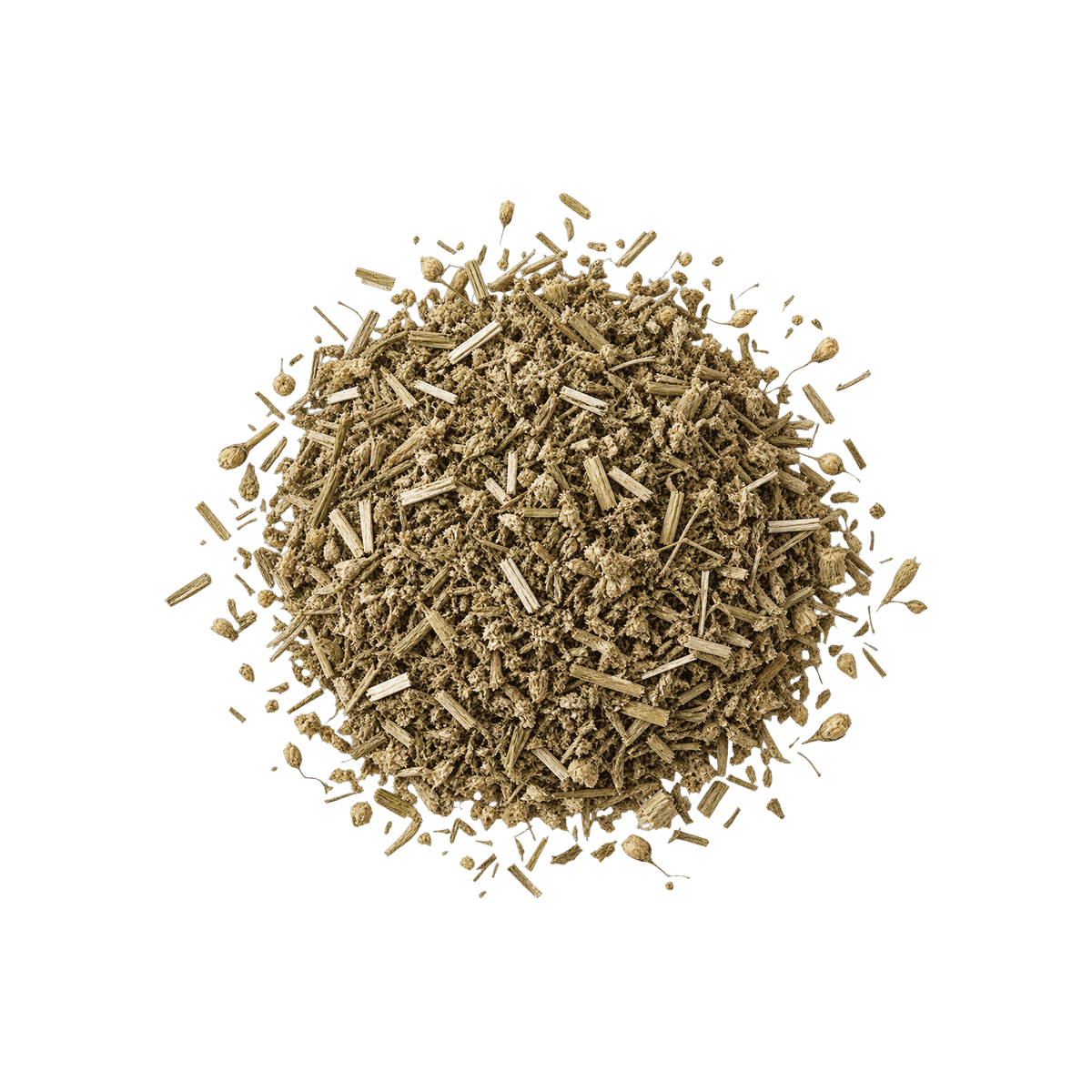
YARROW (Achillea millefolium)
Grows worldwide, dies back each year and returns each spring. A harmonising herb that brings balance to many conditions.
Energetics: Both cooling and warming. Can stop blood flow and also promote it.
Colds + Flu: Gargle or throat spray for sore throats. Warm tea to support a fever. With angelica for cold, damp lung phlegm, and with pleurisy root for fevers and bronchial phlegm (Jeremy Ross). Leaf syrup for chronic cough with bloody sputum (Finley Ellingwood).
Oral Health: Astringent (tightens gums), anodyne (relieves pain), antimicrobial.
Wounds + Skin: Styptic (stops bleeding). Fresh or dried poultice of mashed leaves and flowers. Famous for nosebleeds. Antimicrobial, keeps wounds clear of infection. The soldier's herb of Roman battlefields. Hot tea soak for wounds, bites and scratches. Diaphoretic: brings circulation to the skin, induces sweating, relieves stagnation.
Blood: Moves stagnant blood (bruises, varicose veins, blood blisters, haemorrhoids, fibroids). A blood regulator that helps clot or circulate as needed and strengthens blood vessels and capillaries (Maria Noël Groves).
Urinary: Supports UTIs with uva ursi and marshmallow (Rosalee de la Forêt, registered herbalist). Astringent and antiseptic, clears infection and tones tissues. Diuretic when taken lukewarm or cool. Eases kidney and urethra irritation, suppressed urine and chronic urinary issues.
Digestion: Bitter and aromatic. Add to bitter blends or drink as tea. An early study found a yarrow, ginger and boswellia blend helped IBS.
Women's Health: Uterus support, menstrual cramps, nipple fissures during breastfeeding.
Traditional Use: Dioscorides (De Materia Medica) applied pounded leaves to fresh wounds to close, heal, cool inflammation and stop bleeding.
Avoid in pregnancy (may stimulate the uterus) or if allergic to the daisy family (Asteraceae). Excess or long term use may cause upset stomach, nausea or dizziness.
This information is for educational and informational purposes only and is not intended as medical advice. Please consult a qualified healthcare professional or doctor before making any changes to your diet, lifestyle, or treatment plan.